
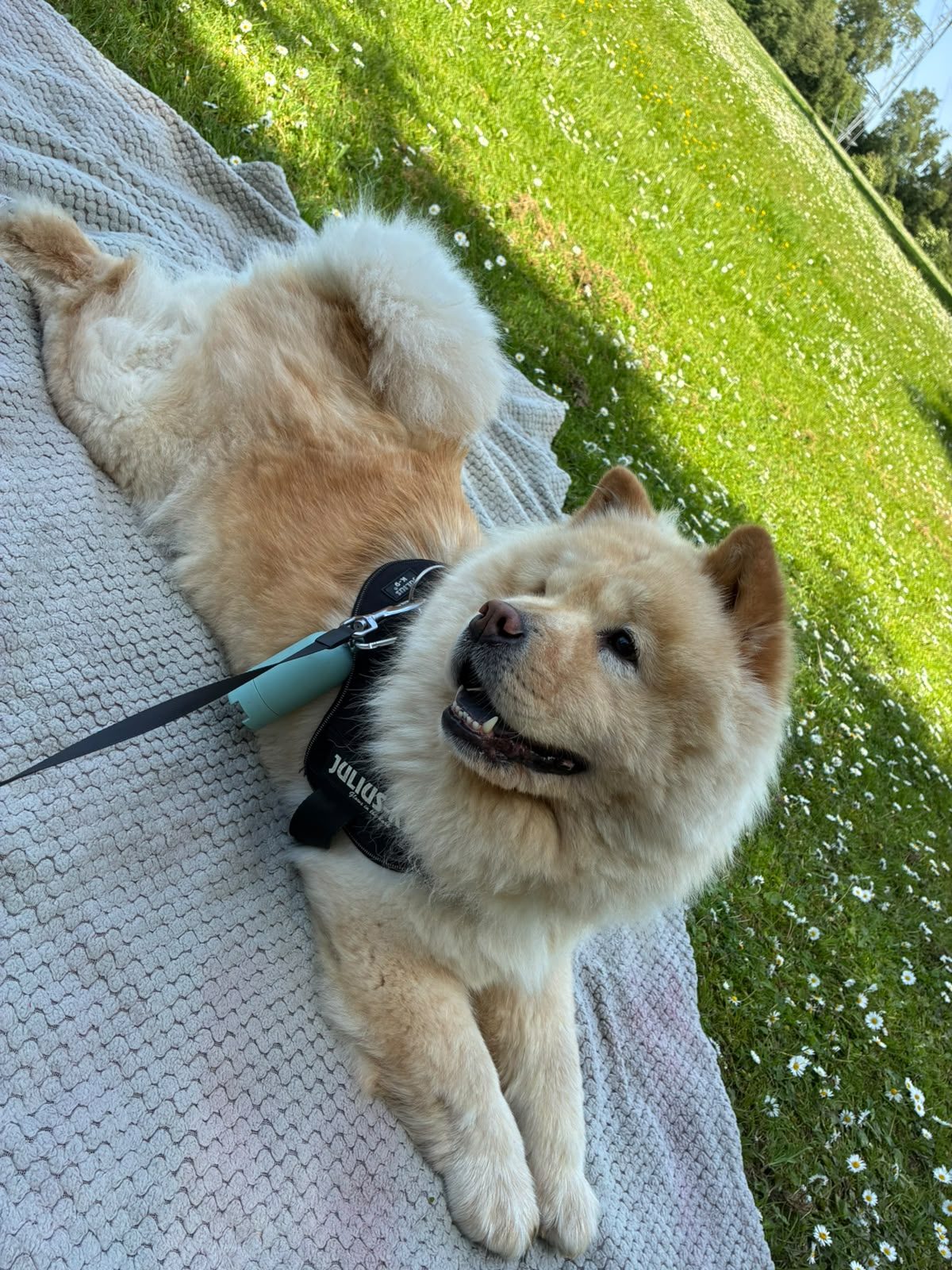
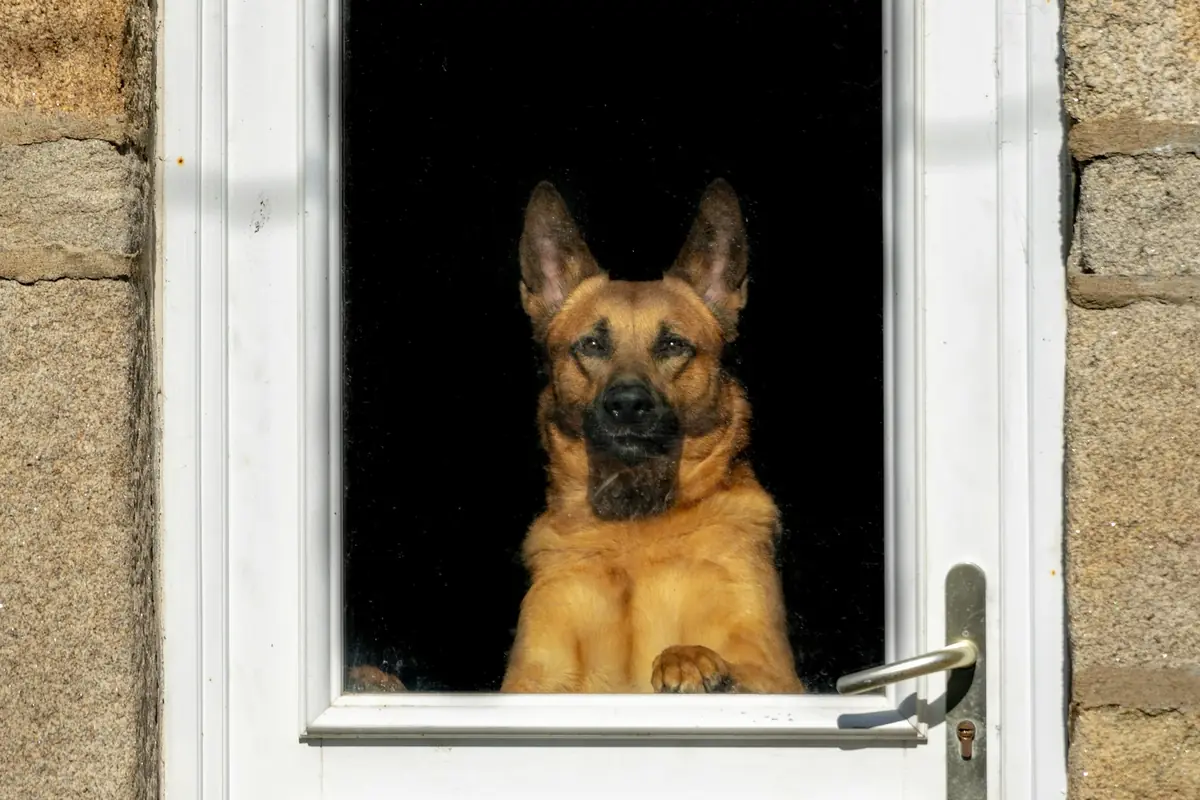
Hiya, I'm Jodie. I walk and sit dogs across Widnes, Runcorn, St Helens, Liverpool and Warrington, and the question I hear most from people with full-time jobs is a simple one: "Is my dog alright on their own all day?"
It's a fair worry. Most of us love our dogs to bits, but work is work. So here's what the UK's big animal charities actually say about dogs left at home, the signs to look out for, and how a midday walk or visit can make a real difference to how your dog feels.
Dogs are social animals, and long days alone are hard
Dogs aren't built to spend hours on their own. The RSPCA says dogs are "sociable animals who enjoy having company", and that owners should give them enough time with people or other animals "so that they don't get lonely or bored."
How long is too long? The PDSA says: "Four hours is the longest that dogs should routinely be left alone for but every dog will be different." It adds that four hours "would generally be too long for a very active, young puppy but might be fine for an older dog."
The RSPCA gives the same guidance: "We recommend that you don't leave your dog alone for more than four hours; for puppies much less."
If you work a standard day, plus the commute from Runcorn into Liverpool or from Widnes over to Warrington, your dog can easily be on their own for well over that.
Boredom, loneliness and separation anxiety
Being alone too long isn't only about a full bladder. It affects how a dog feels.
The RSPCA puts it starkly: "Research suggests that 8 out of 10 dogs find it hard to cope when left alone. Yet, half won't show any obvious signs and so it can be easy for owners to miss."
Dogs Trust also points out that boredom matters, not just anxiety: "It's tempting to view frustration or boredom as less important than anxiety. However, these are both negative emotions. Over time, the association of feeling this way while being left may develop into anxiety."
Signs your dog may be struggling
Dogs Trust lists signs to look out for, including:
- barking, whining, whimpering or howling
- pacing as you get ready to leave, or once you've left
- scratching and chewing furniture, doorways and household items
- going to the toilet inside the house
- being unable to rest or settle for long
- trembling, panting or drooling
- not eating food or chews left for them
The RSPCA adds that the behaviour often shows "starting within a few to 30 minutes" of the owner leaving, and suggests a camera to check for hidden signs.
One important note: if you spot these signs, both Dogs Trust and the PDSA advise speaking to your vet first, and then an accredited behaviourist if needed. A dog walker isn't a treatment for separation anxiety. But company and a break in the day can ease the strain. In the RSPCA's words, "Using a dog sitter or dog walking service means that someone can keep your dog company and take them for a walk. This is a good way of easing the stress they may feel when you're not there."
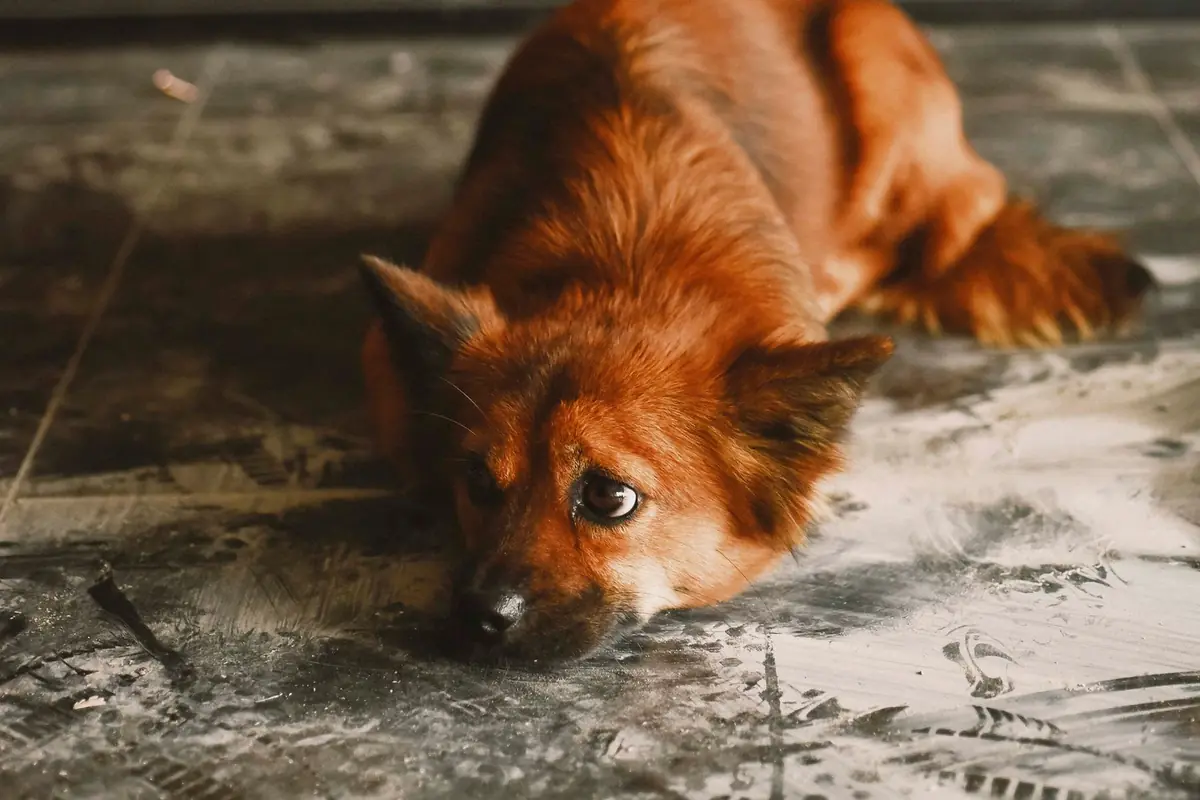
Exercise and toilet breaks
Physical needs come first. The PDSA says "Daily exercise is also vital for their physical and mental wellbeing", and that if a dog can't get out to the garden themselves, "someone will need to come and let them out regularly so they can have a toilet break."
A midday walk breaks a long day into two shorter stretches. Your dog gets to stretch their legs, go to the toilet outside rather than holding on, and come home ready to settle again.
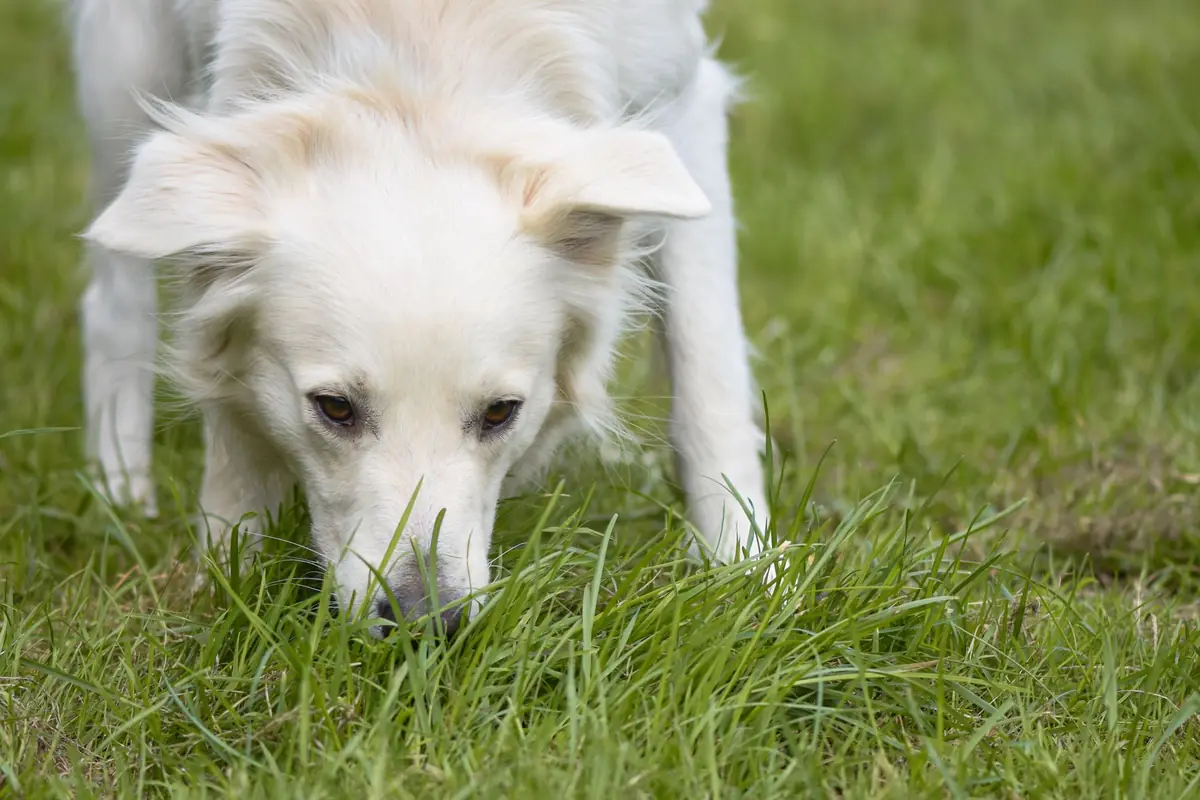
Sniffing is brain work
Here's the bit a lot of people don't realise: a good walk isn't only about distance.
Blue Cross explains that "A dog's primary sense is smell", and describes a "sniffari", where you let your dog choose the direction and explore safely. Blue Cross calls this "a very mentally stimulating walk for your dog", adding that "it can help satisfy your dog and provide huge benefits to their mental well-being."
So when I'm out with your dog, I don't rush them past every lamp post. Time to sniff is time well spent.
Routine helps dogs feel safe
Dogs Trust says "Lots of dogs thrive on routine. A consistent and predictable schedule can help them feel safer." It also notes that a change in your working hours can unsettle your dog, as "When and where they are walked might change."
A regular walker at a regular time gives your dog something to look forward to. They learn that someone they know comes round, they go out, and then they rest again until you're home.
How a midday walk or visit helps
Put it all together and a midday walk or visit covers a lot of what the charities recommend:
- Company, so the day isn't one long stretch alone
- A toilet break outside, at the right time
- Exercise to burn off energy so they can rest
- Sniffing and exploring, for their mind as well as their body
- Routine, so the day feels predictable
Dogs Trust's own advice for owners who'll be out longer than four hours is: "it's best to organise for someone to pop in to give them a comfort break and keep them company."
How I do it at Paws Around Town
I keep things simple and personal:
- Solo walks only. I walk dogs from one household together and never mix them with other customers' dogs. Your dog gets my full attention.
- Clear prices. £9 for a half-hour walk, £18 for an hour. See my prices.
- Hours that fit around work. I'm about from 6am till 10pm, every day.
- Insured, and qualified in animal care.
You can read more about my dog walking, or if your dog needs company for longer, have a look at pet sitting.
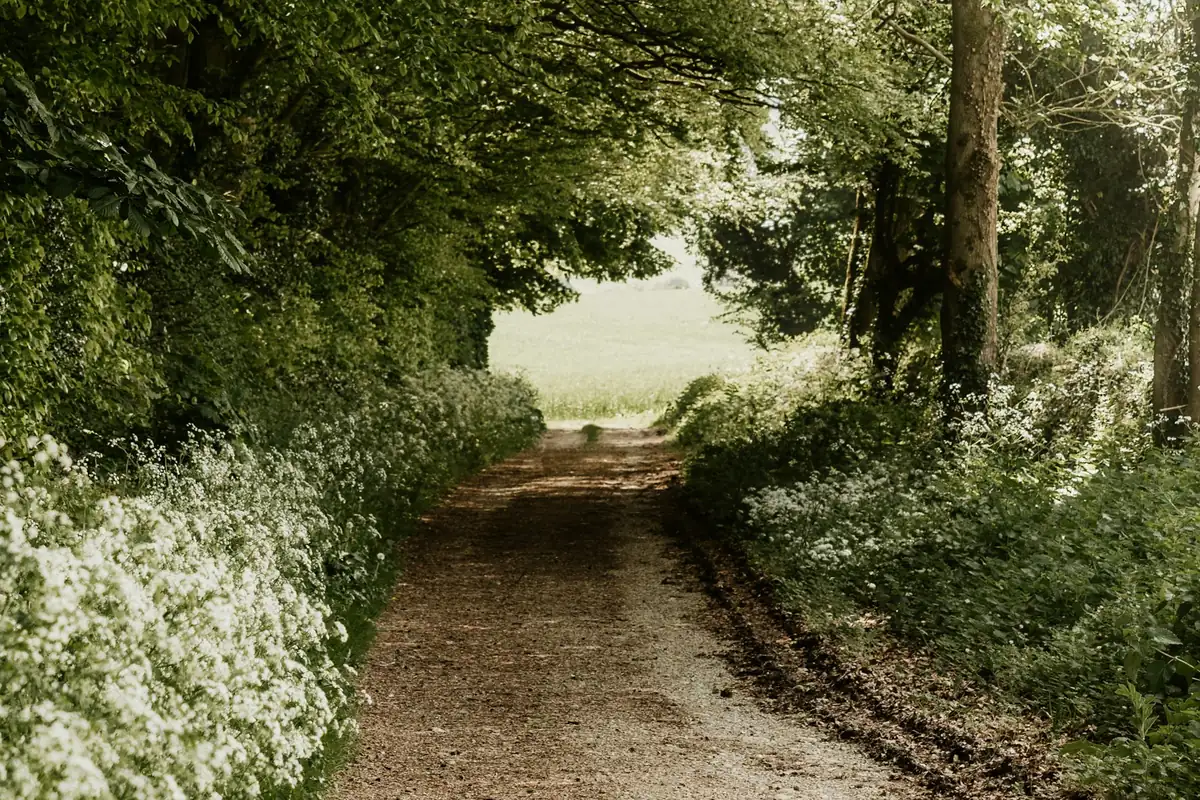
Let's say hello first
If you're in Widnes, Runcorn, Warrington, St Helens or Liverpool and you've been wondering how your dog copes while you're at work, the easiest first step is a free meet and greet. Your dog gets to meet me, you can ask me anything, and there's no pressure to book.
Book a free meet and greet, or WhatsApp me on 07947 890956.
Sources
All checked on 28 October 2026.
- RSPCA, "The right company for dogs" https://www.rspca.org.uk/adviceandwelfare/pets/dogs/company
- RSPCA, "Recognising separation-related behaviour and anxiety in dogs" https://www.rspca.org.uk/adviceandwelfare/pets/dogs/behaviour/separationrelatedbehaviour
- PDSA, "Home alone – preventing separation anxiety" https://www.pdsa.org.uk/pet-help-and-advice/looking-after-your-pet/puppies-dogs/home-alone-preventing-separation-anxiety
- Dogs Trust, "Separation anxiety in dogs: signs, causes and how to help" https://www.dogstrust.org.uk/dog-advice/training/unwanted-behaviours/separation-anxiety
- Blue Cross, "Life on a lead: keeping walks fun for your dog" https://www.bluecross.org.uk/advice/dog/behaviour-and-training/life-on-a-lead
This article is general information, not veterinary advice. If you're worried about your dog's behaviour or health, please speak to your vet.